
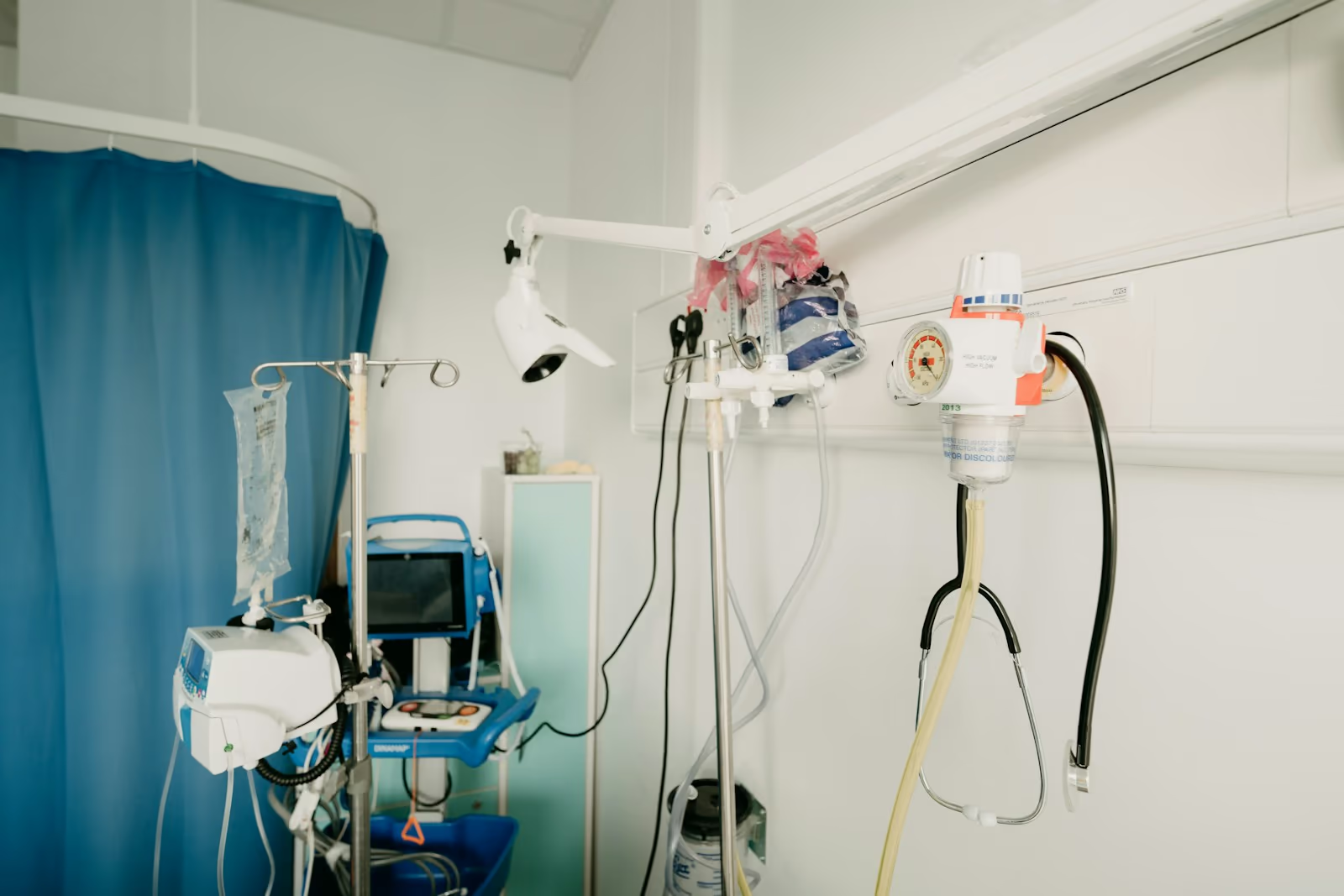
Hospital water, power, HVAC, and controls that keep clinical operations running.
Hospitals do not pause for plant-room failures. ASE engineers water, energy, HVAC, and automation as one system, verified against infection-control audit, insurer expectation, and the duty-of-care standard the building has to meet twenty-four hours a day.
Standards we work to
- ISO 23500
- AAMI RD52
- HTM 01-05
- WHO Water Safety
- HTM 06
Six systems a hospital cannot pause.
Each programme is sized to the actual clinical load, not the architect’s brief or the equipment vendor’s preferred assumption.
Drinking + clinical water
Treatment, distribution, and Legionella control engineered against the actual building draw, not a generic per-bed multiplier.
Dialysis + sterile-services water
AAMI-grade water for haemodialysis, RO loops for sterile services, and validated point-of-use treatment for compounding pharmacies.
Energy + critical-load continuity
Generator, UPS, and switchgear engineered for theatres, ICU, dialysis, cold chain, and IT, with witnessed transfer and metered handover.
HVAC + infection control
Pressure regimes, filtration, and air-change rates designed and verified for theatres, isolation rooms, and aseptic units.
BMS + clinical-utility automation
Building management, alarm philosophy, and operator workflow integrated behind a single auditable interface for facilities and infection control.
Compliance documentation
Water-safety plans, electrical compliance, and HVAC verification documented to a standard the inspector and the insurer both accept.
Work of this kind
The full record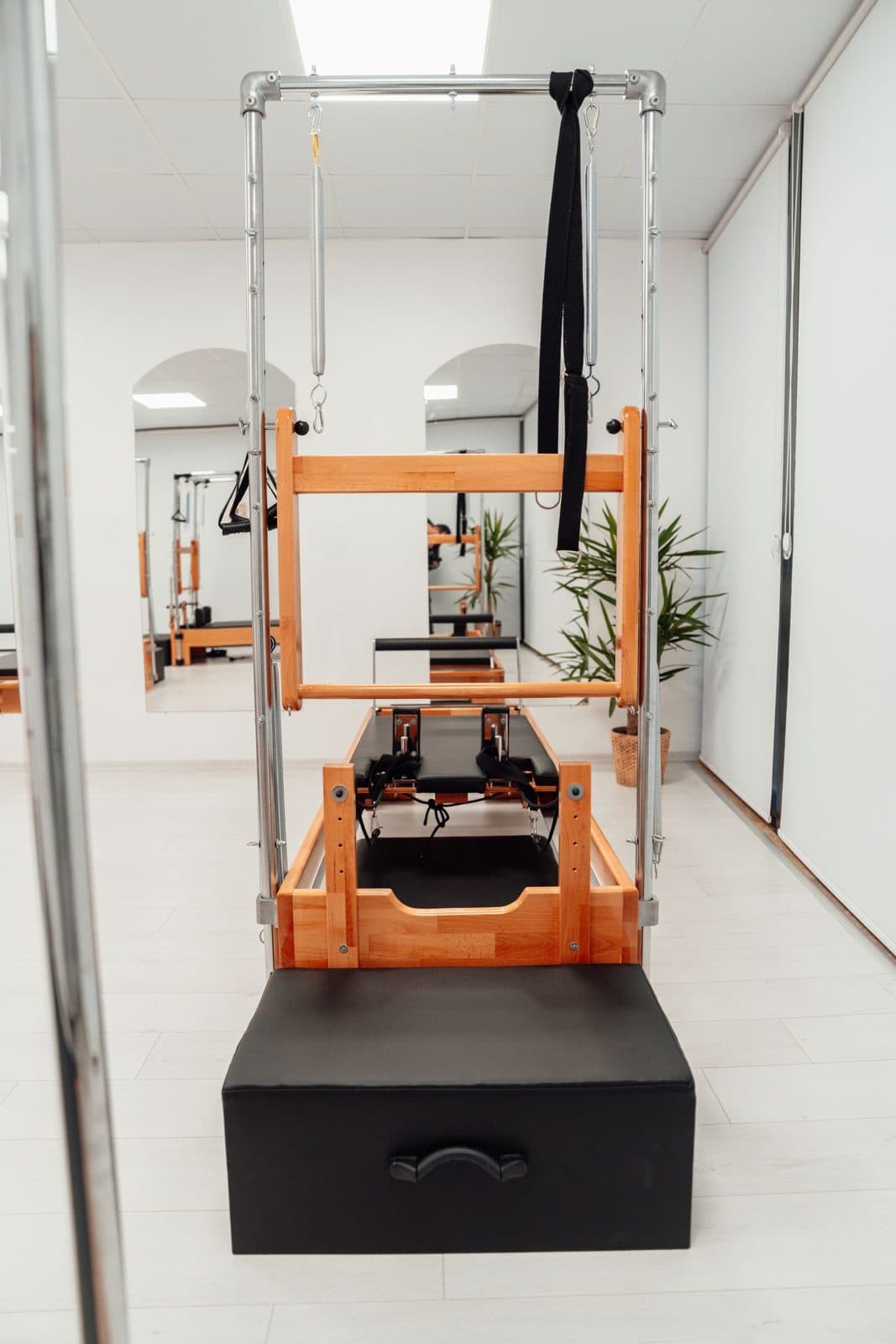
Booking platform and management consulting
Design and delivery of a bilingual booking platform with subscription payments, membership management and owner analytics, taken to production and now live, alongside ongoing management consulting on expansion and certification. Reference on request.
 Delivered 2025
Estate water demand and treatment design
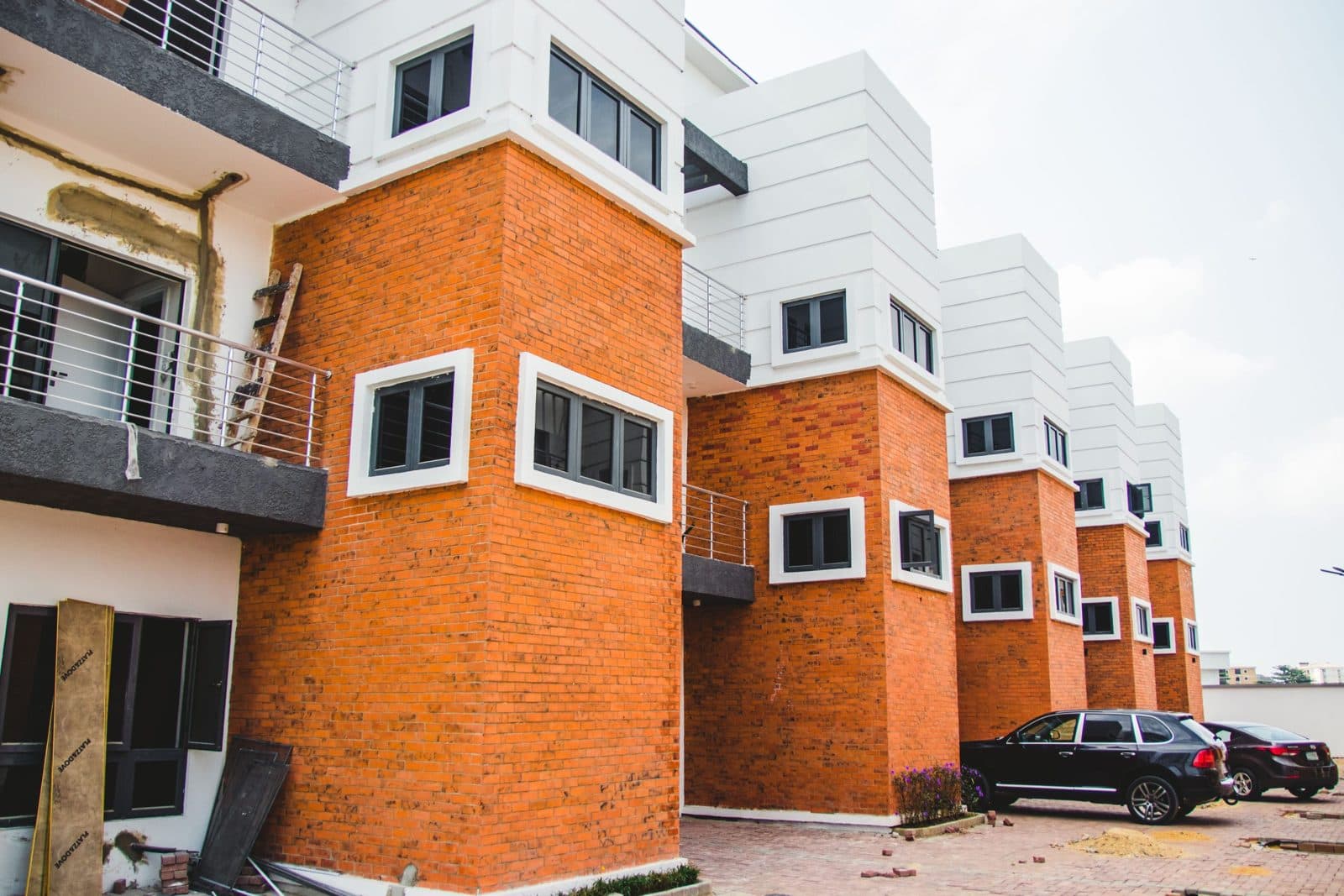
Water demand model and dual-path treatment design for a five-block, roughly 100-flat coastal estate on a single borehole: media and UV for the non-brackish case, reverse osmosis for the brackish case, engineered on BWT hardware with WHO/NIS-aligned disinfection, monitoring and alarm architecture, turnkey budgets and a commissioning roadmap. Site meetings held in Lagos.
Assess. Specify. Commission. Steward.
Four stages under one partner. The infection-control lead, the insurer, and the operator read from the same record.
- Listen
Survey
Clinical-area walk-through, risk register, and utility demand modelling. A written baseline before any plant is specified.
2 – 3 weeks
- Write
Design
P&IDs, single-line diagrams, and infection-control philosophy issued as a stamped package. Independent of any single vendor.
3 – 6 weeks
- Deliver
Build + commission
Installation, witnessed transfer, and handover with water-safety and electrical compliance packs signed by a named engineer.
10 – 24 weeks
- Hold
Stewardship
Quarterly reviews, trending, and planned replacements by the engineers who designed the system.
Retained
Know which system fails first.
Thirty minutes with a senior partner. You leave with a written summary of the estate, its continuity risks, and a direct line back.