
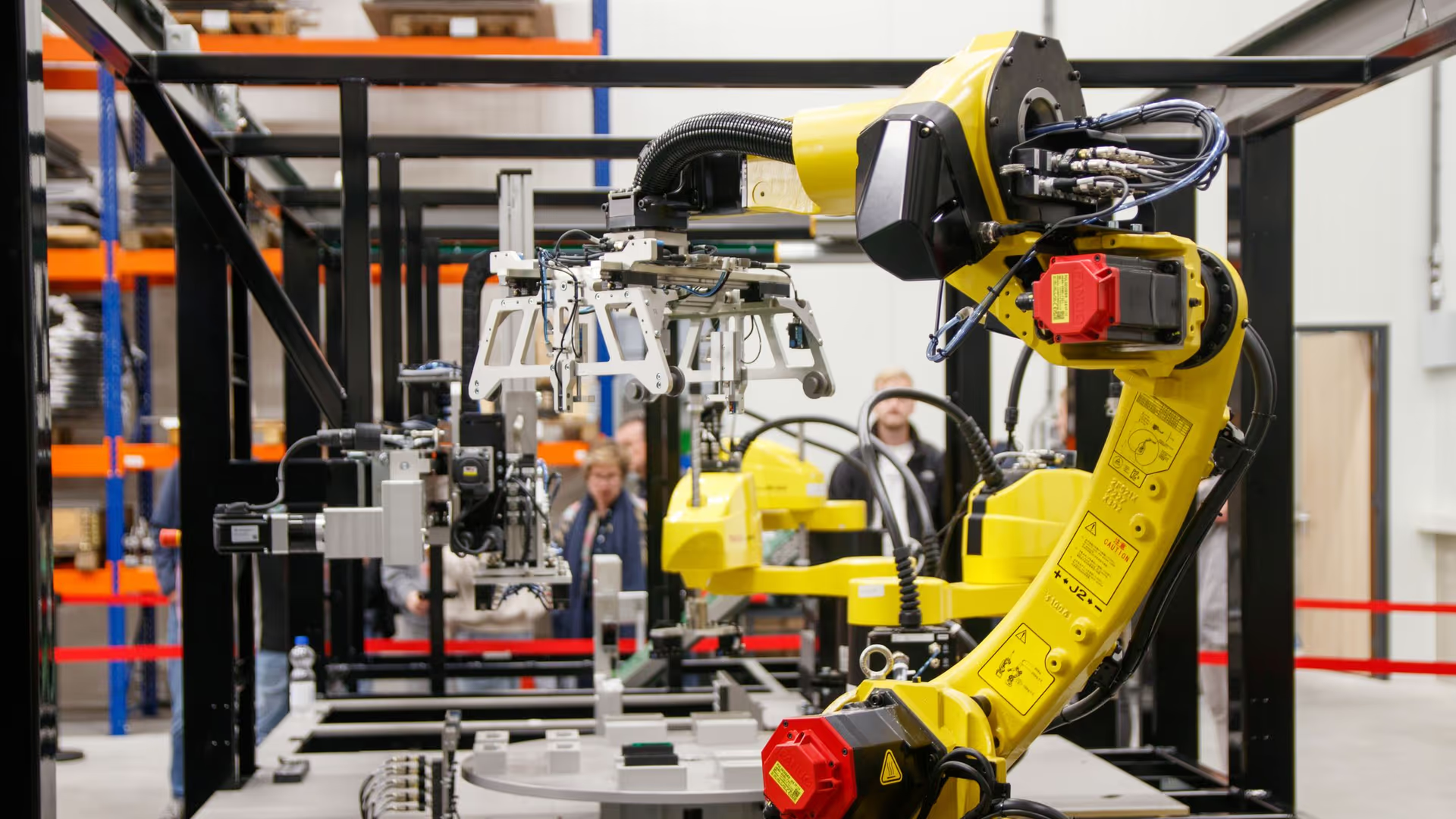
Controls visibility without handover risk.
PLC, SCADA, BMS, and instrumentation engineered to be operated, defended, and inherited. The operator and the auditor read the same record. The partner who signed the scope is the engineer who stands on-site at commissioning.
Standards we work to
- GAMP 5
- IEC 61131
- IEC 62443
- ISA-95
- OPC UA
What operators and auditors both need to see.
The control narrative is written before the code. The role matrix is signed before commissioning. The handover is the documentation a regulator would accept.
Plant control + SCADA
PLC, HMI, and SCADA systems for water, energy, and process plant. Designed so the operator and the auditor read the same record.
Instrumentation + metering
Flow, level, pressure, quality, and energy metering specified to the measurement the business actually needs to act on.
Building + estate automation
BMS, access control, and lighting integrated behind a single operator view. No rival apps, no orphan dashboards.
Regulated system integration
GAMP-aligned delivery for pharma and life-sciences clients. Validation packs, audit trails, and change control held by the partner who wrote them.
Legacy rescue + re-platforming
Unsupported controllers, orphaned HMIs, and undocumented logic re-engineered into a maintainable stack without taking the line down.
Data + reporting pipelines
Historian, KPI reporting, and regulator-facing exports. Engineered to the same rigour as the plant itself, not bolted on afterwards.
Work of this kind
The full record
 Delivered 2024
SAP deployment and process optimisation
ERP and SAP implementation support with process standardisation for a CEE solar distributor since listed in the FT1000: reporting, inventory and finance workflows, wholesale-process documentation, and a structured run and change handover.

 Ongoing
Data and programme delivery
Data and delivery workstream inside the Austrian dairy group’s enterprise-systems and analytics programme, coordinating the external delivery partners across the SAP landscape. Reference on request.
Audit. Philosophy. Build. Steward.
Four stages, one partner across all of them. No control system leaves us without the narrative, matrix, and records the next engineer will need.
- Listen
Process audit
We walk the plant, read the existing logic, and document what is actually running before proposing any replacement.
1 – 2 weeks
- Write
Control philosophy
Written control narrative, alarm philosophy, and role matrix signed off by the plant owner before code is written.
2 – 3 weeks
- Deliver
Build + commission
FAT, SAT, validation, and phased cutover. The partner who signed the scope stands on-site at commissioning.
8 – 16 weeks
- Hold
Stewardship
Retained support, change control, and quarterly reviews. The engineers who wrote the system are the engineers you call.
Retained
Find out what your controls hide.
Thirty minutes with a senior partner. You leave with a written summary of the current system, the realistic path forward, and a direct line back.