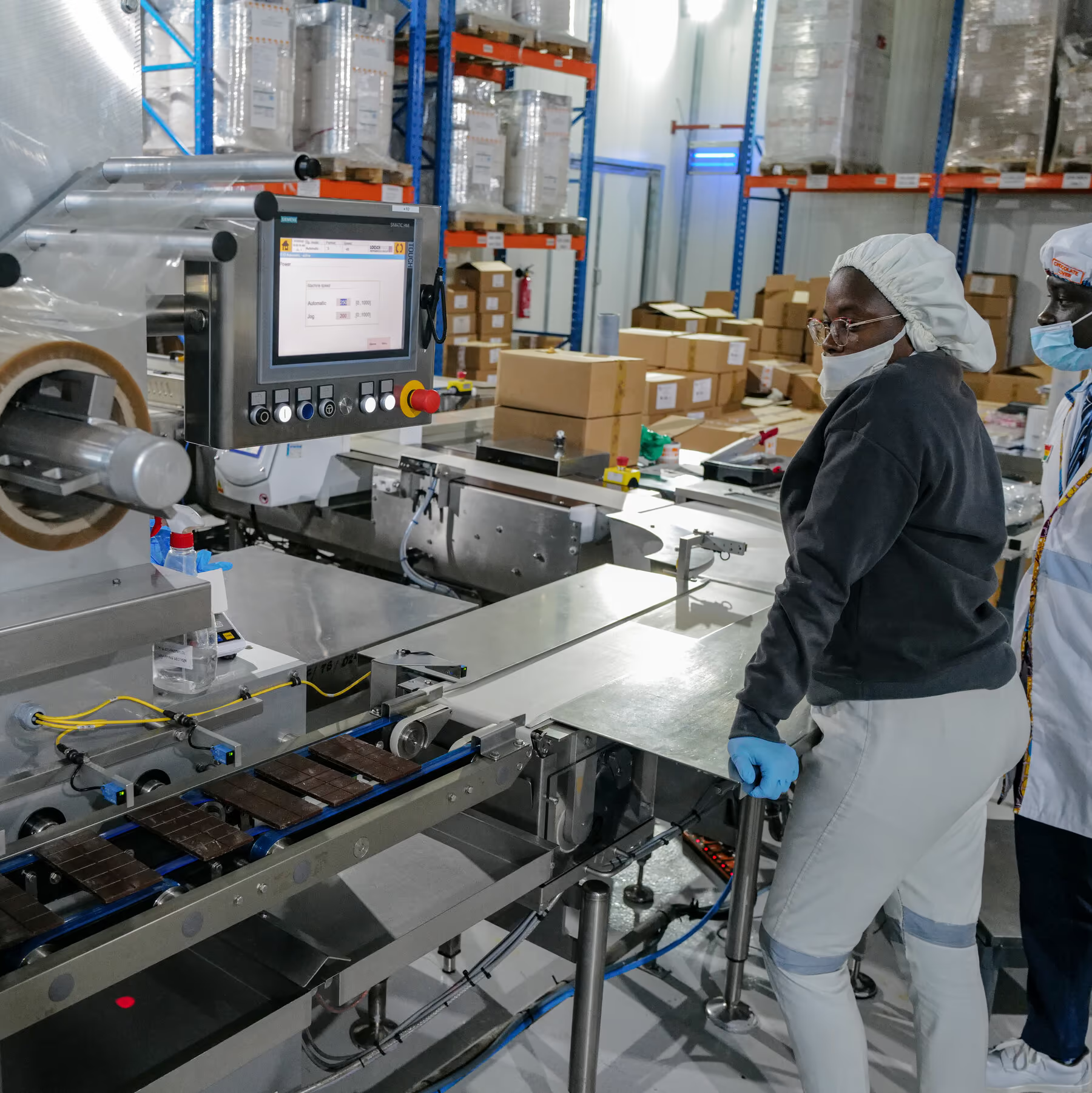
Process water, CIP, and utilities for beverage lines that cannot stop mid-batch.
When a line stops, the cause is usually behind it: water, CIP, effluent, or air. ASE holds those as one operating problem, sized against the product brief, then handed to the operator with the records the auditor expects.
Standards we work to
- HACCP
- FSMA
- EU 852/2004
- ISO 22000
- EHEDG
Six utilities behind the line.
Each programme is written to the production line it serves, not lifted from a brochure. Utilities are sized to the actual draw, the actual CIP cycle, the actual discharge licence.
Process + ingredient water
Treatment trains matched to the product brief, soft drinks, beer, dairy, spirits, bottled water, with hygienic-design distribution loops.
CIP + SIP systems
Clean-in-place and steam-in-place engineered against the line cycle. Measured coverage, verified chemistry, auditable cycle records.
Utilities + energy
Boiler, chiller, refrigeration, and compressed-air plant sized to the production profile, with metered accountability per line.
Effluent + reuse
Wastewater treatment designed to the discharge standard the site actually has to meet, with reuse loops where the payback supports it.
Automation + traceability
SCADA, batch reporting, and electronic batch records that satisfy internal QA and external audit on the same data set.
Food-safety engineering
Hygienic design, material selection, and drainage engineered to FSMA, HACCP, and EU hygiene-package expectations.
Work of this kind
The full record
 Ongoing
Data and programme delivery
Data and delivery workstream inside the Austrian dairy group’s enterprise-systems and analytics programme, coordinating the external delivery partners across the SAP landscape. Reference on request.

 Ongoing
Supply-side sourcing for West African demand
Supplier sourcing, qualification and outreach discipline for industrial valve and systems supply into Nigerian energy and refinery projects, run on the firm’s standard RFQ and evidence-tracking cadence, with project environments spanning operators including Shell, the Dangote Refinery and BP. Reference on request.
Sample. Specify. Commission. Steward.
Four stages, one accountable partner. No handoff between sales, engineering, and service.
- Listen
Survey
Line audit, CIP cycle review, and utility metering. A written baseline of what the line draws and produces before any scope is written.
1 – 2 weeks
- Write
Design
P&IDs, equipment selection, and CIP/effluent strategy issued as a stamped package. Independent of any single equipment vendor.
2 – 5 weeks
- Deliver
Build + commission
Installation, FAT, SAT, sanitisation, and documented handover under the name of the partner who signed the scope.
8 – 20 weeks
- Hold
Stewardship
Quarterly reviews, planned replacements, and a retained line back to the engineers who built the system.
Retained
Know what stops your line.
Thirty minutes with a senior partner. You leave with a written summary of the utilities behind the line, and a direct line back.